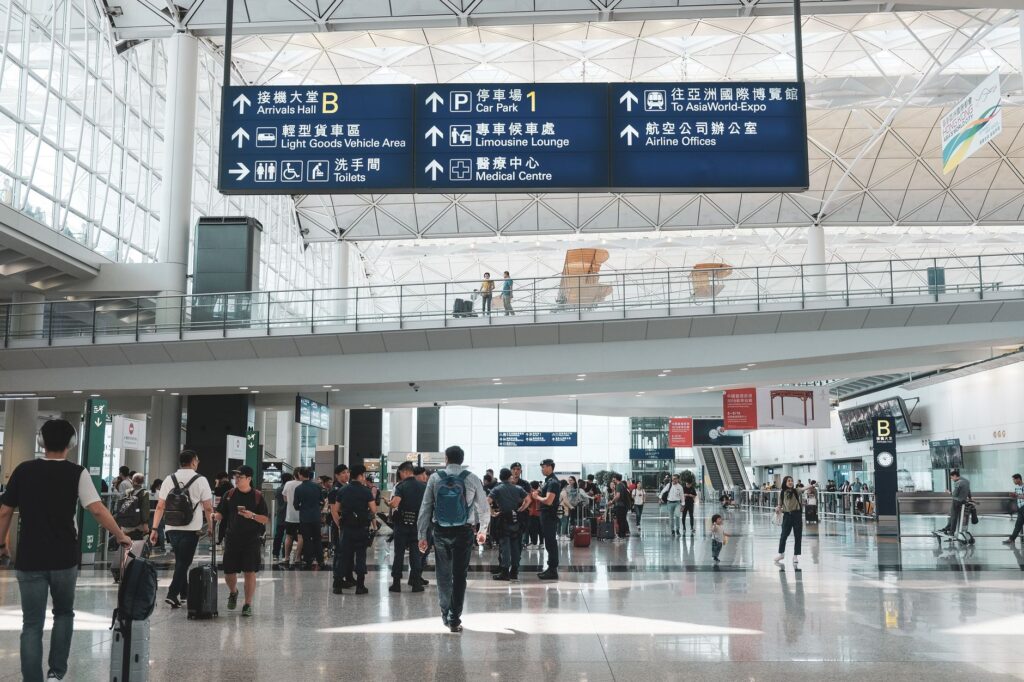
The Transportation Security Administration has been sharing passenger data with U.S. Immigration and Customs Enforcement (ICE) since at least March 2025, leading to over 800 arrests. American Oversight disclosed the Memorandum of Agreement through FOIA on July 23, 2026, revealing that TSA has flagged more than 31,000 travelers to ICE between January 2025 and February 2026.
The program operates through Secure Flight, TSA's passenger screening system originally created for counterterrorism. TSA now sends ICE passenger lists multiple times weekly, including names, dates of birth, passport information, and travel itineraries for all U.S. air travelers—data that travelers provided to airlines for security purposes, not immigration enforcement.
Table of Contents
- How the Data-Sharing Arrangement Works
- Who Has Been Arrested Under the Program
- What Travelers Are at Risk
- The Legal Controversy
- What You Should Know Before Flying
- Frequently Asked Questions
How the Data-Sharing Arrangement Works
The MOA, signed in May 2025, gives ICE access to real-time Secure Flight passenger data submitted by airlines for every domestic and international flight. TSA has been sending these lists to ICE since at least March 2025, drawn directly from the same database TSA uses to screen passengers for security threats.
The specific criteria that trigger ICE alerts—which immigration categories, visa statuses, or records prompt a flag—remain redacted in the public MOA release. American Oversight's FOIA disclosure shows that the appendices identifying exactly which passenger data ICE receives were almost entirely withheld, leaving operational details unavailable for public scrutiny.
Who Has Been Arrested Under the Program
Over 800 people have been arrested based on TSA tips since the arrangement began. Analysis of arrest data from 2025–2026 suggests that 40–50% of those arrested in certain regions had no criminal record but overstayed visas or had final removal orders pending. This means the program captures people immigration authorities were already tracking or who had violated visa terms, not necessarily people charged with crimes. The arrests occurred when individuals attempted to board flights or were identified during TSA screening.
What Travelers Are at Risk
The program likely flags travelers in several categories: those with overstayed visas, individuals subject to final deportation orders, people with deportations stays that have expired, and possibly those with certain visa violations or status issues. Because the specific triggers remain redacted, travelers cannot know with certainty what criteria might prompt an alert. All U.S. air travelers are now screened against this system—citizens, visa holders, green card holders, and anyone subject to immigration action. If you are traveling by air and have any pending immigration matter, visa overstay, or removal order, you should be aware this system exists and may flag you before you board.
The Legal Controversy
The Secure Flight Final Rule—the regulation that governs TSA's passenger data collection—was designed for aviation security and counterterrorism, not immigration enforcement. Critics including the ACLU argue that repurposing this data collection system for ICE departs from the program's original regulatory mandate. Adding to the controversy, the MOA contradicts congressional testimony by a TSA official who told lawmakers that passenger data was not being collected for immigration enforcement purposes. This discrepancy between public statements and actual practice has raised questions about whether Congress and the public were fully informed about the scope of data-sharing with immigration authorities.
What You Should Know Before Flying
Travelers with any immigration issue—a visa overstay, a removal order, a pending deportation, or any status violation—should understand that TSA's passenger data now feeds directly to ICE. Flying may trigger immigration enforcement action even if you have not been contacted before. If you have concerns about your immigration status, consult an immigration attorney before purchasing airline tickets.
Attempting to board a flight could result in immediate detention and deportation proceedings if you are flagged by this system. The program operates without public notification to travelers, so awareness of its existence is your only defense.
Frequently Asked Questions
Can I find out if I have been flagged by the TSA-ICE data-sharing program?
No. The government does not notify travelers that they have been flagged, and the specific criteria for ICE alerts remain redacted from the public MOA. You only discover the flag when you attempt to board a flight.
Does this program apply to all air travelers, or only certain visa categories?
The system screens all U.S. air travelers—citizens, visa holders, green card holders, and anyone on deportation lists. Everyone's Secure Flight data now feeds to ICE, though the specific criteria that trigger ICE alerts are not public.
If I have an overstayed visa, can I fix my status before flying?
Yes, but consult an immigration attorney immediately. Flying may trigger detention before you can address your status through proper legal channels. An attorney can advise whether voluntary departure, cancellation of removal, or another option is available and whether air travel is safe.