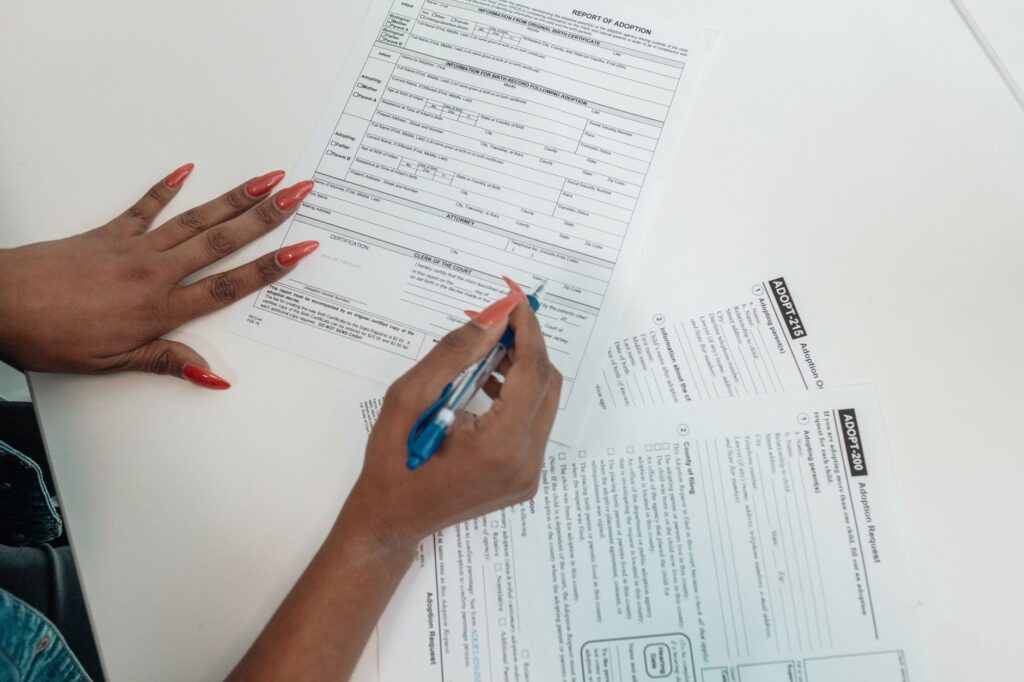
The U.S. Immigration and Customs Enforcement (ICE) has carried out approximately 600,000 deportations since President Trump took office in January 2025, marking the highest removal pace in recent years.
However, the exact figure is disputed: a DHS announcement claimed 603,000 removals, while an analysis by immigration researcher Austin Kocher questions the methodology behind that count, suggesting the actual number may be lower depending on how "removal" is defined. The pace represents a sharp reversal from the Biden administration and has become a centerpiece of Trump's immigration enforcement agenda. Understanding what these numbers mean—and their limits—matters because they affect visa holders, undocumented immigrants, and families nationwide.
Table of Contents
- How Trump's removal numbers compare to the Biden era
- What counts as a "removal" and why the numbers matter
- Who is being deported
- What this means for immigration status holders
- The limits of the headline numbers
- Frequently Asked Questions
How Trump's removal numbers compare to the Biden era
ICE arrested and removed 442,000 people in fiscal year 2025 under Trump, substantially higher than the final years of the Biden administration. According to the Center for immigration Studies, Trump's enforcement pace is the fastest since his first term, 2017–2021.
The escalation accelerated over 2025 and into 2026, with interior removals (arrests away from the border) rising sharply. This pace does not yet match Trump's first-term peak, but it reflects a different enforcement strategy: removals now include more people with no criminal record and longer U.S. residence. The Biden administration prioritized removals of recent border crossers and people convicted of crimes; Trump's approach is broader.
What counts as a "removal" and why the numbers matter
A removal (or deportation) means a person is expelled from the U.S. through a formal legal process. DHS counts removals differently than arrests: one arrest can lead to one removal, but the categories overlap. The distinction matters because a headline claiming "600,000 removed" can include voluntary departures, expedited removals, and people who were arrested but not yet deported. The disputed number highlights a real methodological question: does "removal" count only people who left the U.S., or does it include people ordered removed who may still be appealing or awaiting deportation? Different accounting makes the same enforcement activity appear larger or smaller.
Who is being deported
Removals under trump include a wider demographic than recent years. Early enforcement focused on people arrested at the border, but as the campaign broadened, ICE began arresting and removing people living in the interior—including longtime residents with U.S. citizen spouses and children, people on work visas whose status is being challenged, and people convicted of misdemeanors unrelated to immigration.
The Migration Policy Institute has documented this shift toward broader enforcement, noting that the enforcement targets are no longer limited to recent arrivals or serious criminals. This means the impact is no longer concentrated on the undocumented immigrant population but increasingly touches legal permanent residents, visa holders, and mixed-status families.
What this means for immigration status holders
If you hold an F-1 student visa, H-1B work visa, or green card, the accelerated enforcement increases the stakes for compliance. Status violations—overstaying, working without authorization if your visa restricts it, or criminal convictions—now carry faster consequences. Legal permanent residents can be deported for crimes they were convicted of years ago; removal proceedings that were delayed under Biden are now being expedited.
Undocumented immigrants and people in mixed-status families should understand that the interior enforcement increase means a traffic stop, workplace check, or immigration raid is more likely than in recent years. Consult an immigration attorney before any government interaction if your status is uncertain.
The limits of the headline numbers
The 600,000 figure, while large, requires context. The U.S. has an estimated 10–12 million undocumented residents, so the removals represent roughly 5–6% of that population per 18 months. The NBC News immigration tracker tracks removals and arrests in real time, and independent researchers are still verifying whether DHS's count includes all removals or only completed deportations.
The number also does not clarify what happens to people awaiting deportation: an arrest does not equal a removal if the case is still in court. Asylum seekers and people contesting removal orders may be counted in enforcement tallies but not yet deported, making the effective current removal number smaller than the headline.
Frequently Asked Questions
Can someone with a valid work visa be deported?
Yes. Visa holders can be removed if they violate the terms of their visa (working outside authorized scope, overstaying, or criminal conviction). An employer cannot protect a visa holder from removal; only the immigration court can.
Does the 600,000 number mean all those people have already left the U.S.?
Not necessarily. The count may include people arrested and ordered removed who are still in the U.S. appealing their case. Completed deportations are a subset of the larger enforcement number.
If I'm a permanent resident, am I safe from removal?
A green card holder cannot be deported simply for being undocumented (you are documented). However, criminal convictions—including misdemeanors in some cases—can trigger removal proceedings. Consult an attorney if you have a criminal record.