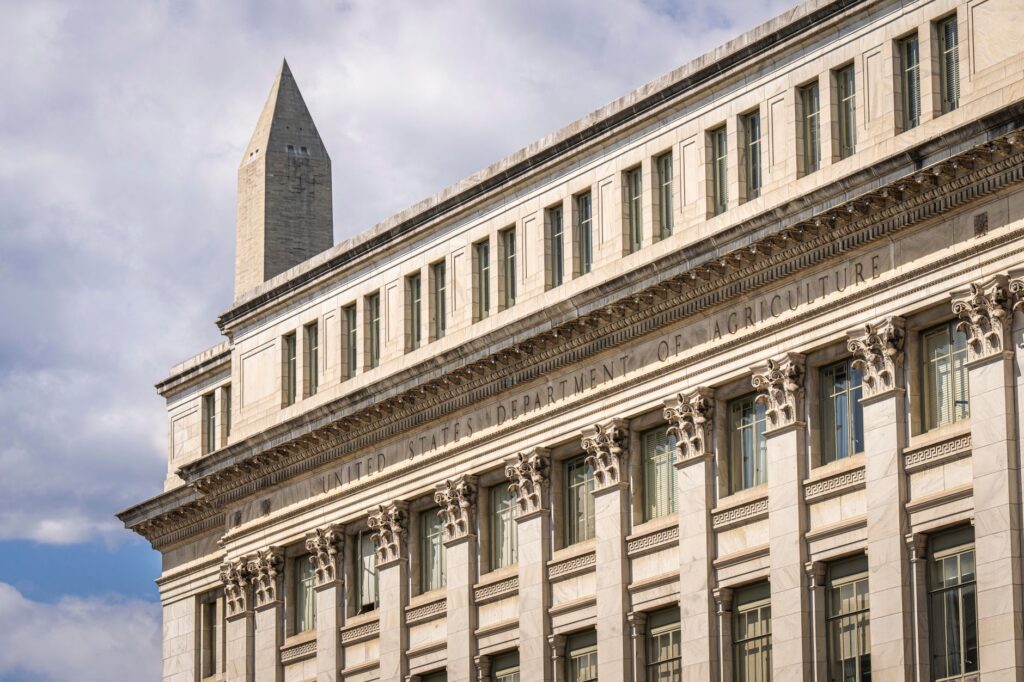
A federal judge has struck down the State Department's blanket ban on immigrant visa processing for nationals of 75 countries, ruling the suspension violated federal law prohibiting nationality-based discrimination. Judge Jeannette A. Vargas ordered the Department of State to resume individualized case-by-case visa adjudication, vacating visa denials made solely on the basis of the policy, though the government is appealing the decision.
The ban had suspended green card petitions processed at U.S. consulates abroad for more than a year, affecting tens of thousands of applicants. While the court's order is currently in effect, its final outcome remains uncertain as the case moves through the federal appeals process.
Table of Contents
- What the ban was and how it worked
- Why the court found the ban unlawful
- Who can reapply and how
- The appeal and current legal status
- Limitations and what the ruling does not change
- Frequently Asked Questions
What the ban was and how it worked
On January 21, 2026, the state Department suspended immigrant visa processing for nationals of 75 countries, citing public charge concerns—a legal standard meant to prevent admission of people likely to depend on government benefits. The suspension applied only to immigrant visas (green card applications) processed at U.S. consulates abroad, leaving temporary work visas, visitor visas, and other categories unaffected.
More than 43,000 immigrant visa applications had been denied under the blanket ban before the court invalidated it. The State Department had justified the policy by asserting that all nationals from those 75 countries posed heightened public charge risks, rather than evaluating each applicant individually.
Why the court found the ban unlawful
Judge Vargas ruled the ban violated Section 1152(a)(1)(A) of the Immigration and Nationality Act, which explicitly prohibits nationality-based discrimination in visa issuance. The judge found that applying a blanket policy based on country of origin exceeded the Secretary of State's legal authority, regardless of the stated reasoning.
The court determined that public charge concerns, even if legitimate for individual applicants, cannot justify discriminating based solely on nationality. The ruling affirmed that federal law requires each visa applicant to be evaluated on their own circumstances and qualifications.
Who can reapply and how
Applicants from the 75 affected countries who had been denied under the blanket ban may now reapply for visa reconsideration under standard individualized review procedures. These applicants will be evaluated using the same criteria applied to all other countries—including questions about income, assets, employment, family ties, and whether they are likely to become dependent on public benefits.
Those interested in reapplying should contact the U.S. consulate where they originally applied or where they plan to apply. Standard processing times vary by location and visa preference category.
The appeal and current legal status
On September 10, 2026, the government filed a notice of appeal challenging the district court's judgment, preserving the case for review by the Second Circuit Court of Appeals. As of mid-September 2026, the district court's vacatur remains in effect unless a stay is granted pending appeal, and the government has not publicly confirmed whether it requested an emergency stay.
The appeals process typically takes months to years, during which applicants can proceed with their visa cases under the individual review standard the court has ordered. The government's appeal does not automatically halt the ruling or freeze visa processing again.
Limitations and what the ruling does not change
The court's decision applies only to the 75-country blanket ban struck down on August 21, 2026. It does not affect other visa restrictions, country-specific security procedures, or the State Department's general authority to deny visas based on individual circumstances. Applicants must still meet all standard visa requirements, including demonstrating sufficient financial resources or sponsorship to avoid public charge status.
Frequently Asked Questions
Does this ruling affect temporary work visas or visitor visas?
No. The ban and this court decision apply only to immigrant visas (green card applications) processed at consulates abroad. Work visas and tourist visas were never included in the suspension.
If the government wins the appeal, will the ban go back into effect?
If the appeals court reverses the decision and a stay is granted, visa processing could pause again. However, applicants who reapply now during the current process will have already begun their cases under individualized review.
Do I need an immigration attorney to reapply?
No attorney is required, but many applicants find legal guidance helpful. Consulates can answer questions about the reapplication process and required documentation.