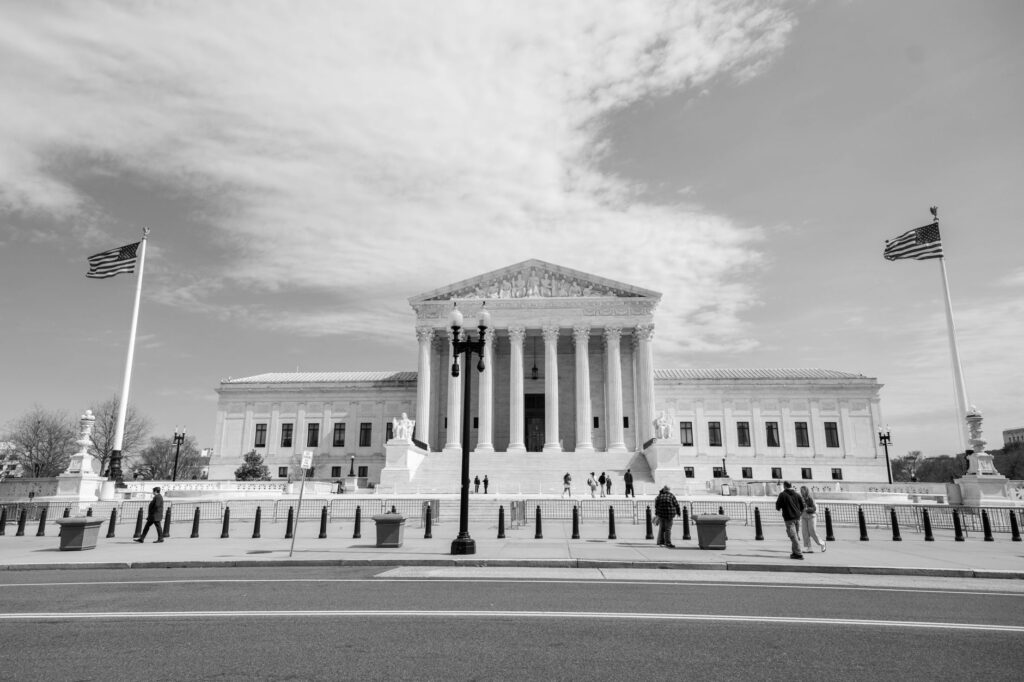
A U.S. Supreme Court decision has removed most legal obstacles to terminating Temporary Protected Status (TPS)—emergency immigration relief for nationals of countries facing armed conflict, natural disaster, or epidemic. But federal courts have blocked the government from immediately revoking work permits for TPS holders from three countries while litigation continues, creating a partial and time-limited reprieve.
The Supreme Court's June 25, 2026 ruling in *Mullin v. Doe* removed the primary legal obstacle to termination, determining that TPS termination decisions are not subject to judicial review. Courts can no longer block terminations themselves—but one Boston court has stopped the immediate revocation of work permits for beneficiaries of El Salvador, Sudan, and Ukraine TPS, buying time for that litigation to proceed.
Table of Contents
- How the Supreme Court Cleared the Path for Terminations
- Which Countries Lost TPS and How Many People Were Affected
- Where Courts Blocked Work Permit Revocation
- The Limits of Judicial Protection and What Comes Next
- What Affected People Can Do
- Frequently Asked Questions
How the Supreme Court Cleared the Path for Terminations
On June 25, 2026, the supreme Court ruled that the Secretary of Homeland Security's decision to terminate TPS is not subject to judicial review on non-constitutional claims. This decision removed the legal mechanism that had allowed courts to block terminations in the first place.
Once the Supreme Court ruled, district courts lifted the stays they had imposed, and the Trump administration proceeded with terminations that had been blocked in litigation for months. The ruling affects the government's authority to end the TPS program itself—not whether specific people should have received work permits while TPS was active. This distinction matters because it explains why courts can still block work permit revocations (a separate administrative decision) even though they cannot block the terminations the Supreme Court exempted from review.
Which Countries Lost TPS and How Many People Were Affected
Following the Supreme Court decision, the Trump administration terminated TPS designations for Afghanistan, Cameroon, Haiti, Honduras, Myanmar, Nepal, Nicaragua, South Sudan, Syria, Venezuela, and Yemen, collectively affecting more than 1 million beneficiaries. Two of the largest groups—Haiti (approximately 350,000 people) and Syria (approximately 6,000 people)—saw their designations end after district courts lifted stays.
El Salvador's TPS was terminated on september 9, 2026, affecting over 170,000 people. Each termination came with a defined end date, but the terminations themselves could no longer be challenged in court under the Supreme Court's new standard.
Where Courts Blocked Work Permit Revocation
One federal court did step in to block a different action. On July 22, 2026, a Boston federal judge issued an emergency preliminary injunction preventing the Trump administration from immediately revoking employment authorization for TPS holders from El Salvador, Sudan, and Ukraine. The judge found the cancellation likely violated due process and administrative law.
This injunction protects work permits—not the TPS designations themselves. El Salvador's TPS ends September 9, 2026, while Sudan and Ukraine's TPS continue through October 19, 2026, but affected individuals in these three countries can continue working while the court considers whether the government's policy violated their rights.
The Limits of Judicial Protection and What Comes Next
The Boston court's injunction is temporary and does not reverse the Supreme Court decision. The court's preliminary injunction preserves the status quo while it considers the underlying legality of USCIS policies targeting TPS work permits, but the Supreme Court ruling leaves the administration's authority to terminate designations themselves unreviewable. This means even if the Boston court rules in the plaintiffs' favor on the work permit question, it cannot force the government to keep TPS active.
For El Salvador, the situation is particularly urgent: although a Boston court blocked work permit revocation, USCIS has confirmed that Temporary Protected Status for El Salvador terminated on September 9, 2026. Holders of El Salvador TPS faced the choice of seeking other immigration relief before that date or losing both status and work authorization.
What Affected People Can Do
TPS holders whose designations have terminated should consult an immigration attorney immediately to explore remaining options: Time-sensitive actions cannot wait—many require filing within specific windows or before losing status. An attorney can identify which options remain available and the filing deadlines that apply.
- **Asylum or withholding of removal**: File affirmatively or defensively if you face persecution based on protected grounds
- **Family-based sponsorship**: If a U.S. citizen or permanent resident relative can petition for you
- **Employment-based sponsorship**: If an employer is willing to sponsor your permanent residence
- **Cancellation of removal**: If you meet strict eligibility requirements (10+ years in the U.S., good moral character, exceptional hardship)
- **Special immigrant categories**: Such as those for victims of human trafficking or abuse
Frequently Asked Questions
Why did courts block work permit revocation but not TPS termination?
The Supreme Court's decision applied only to TPS terminations themselves. Work permits are a separate government decision, and courts found that revoking them without due process likely violated the law—a claim the Supreme Court did not address.
Can the preliminary injunction in Boston stop the TPS terminations for El Salvador, Sudan, and Ukraine?
No. The injunction protects work permits only. The TPS designations themselves terminated on schedule because the Supreme Court removed the mechanism courts use to block terminations.
What happens when the Boston court's injunction expires?
That depends on the court's final decision in the lawsuit. If the court rules for the government, work permits will be revoked. If the court rules for the plaintiffs, work permits may be extended, but only while TPS remains active—and TPS has already ended.