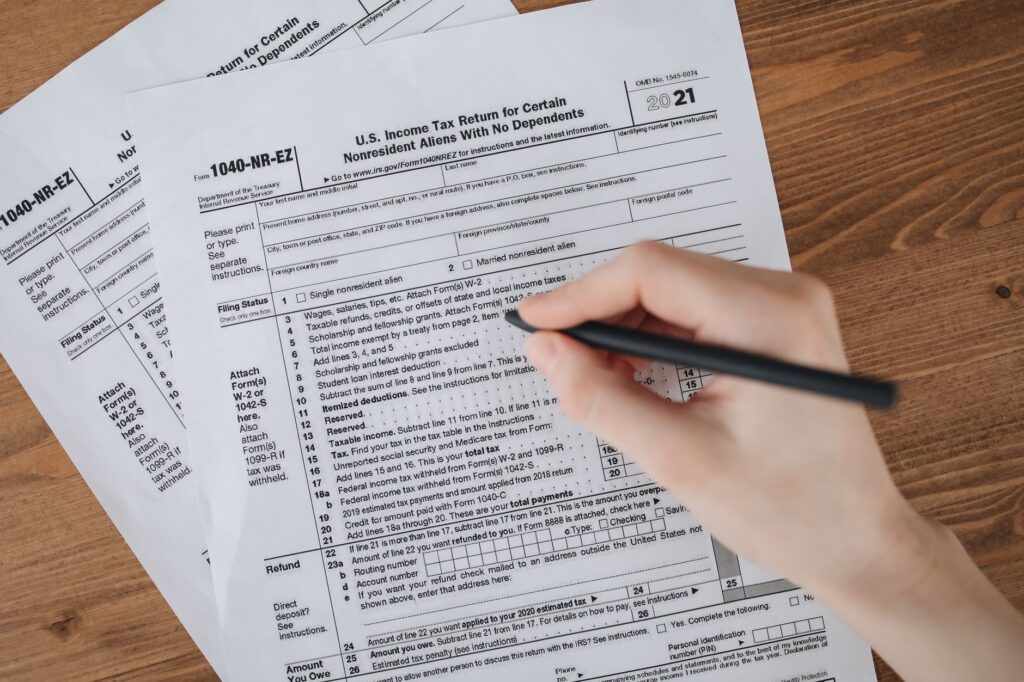
Yes, you can obtain a fee waiver for Form N-400 (Application for Naturalization) through the U.S. Citizenship and Immigration Services (USCIS) if you qualify under specific income thresholds, receive certain government benefits, or face extreme financial hardship. USCIS offers three main pathways to a waiver: household income at or below 150% of the Federal Poverty Guidelines, receipt of a means-tested benefit, or documented extreme financial hardship such as unexpected medical bills or emergencies.
The N-400 filing fee normally costs between $710 and $760. A complete fee waiver eliminates this payment entirely, making it possible to apply for U.S. citizenship without the expense. If you do not qualify for a complete waiver but have limited income, you may instead request a reduced fee of $380.
Table of Contents
- Income and Benefit-Based Eligibility
- Extreme Financial Hardship
- How to Request a Fee Waiver
- Supporting Documentation
- Reduced Fee Option If You Don't Qualify for a Complete Waiver
- Frequently Asked Questions
Income and Benefit-Based Eligibility
you qualify for a complete fee waiver if your household income falls at or below 150% of the Federal Poverty Guidelines as updated annually by USCIS. The poverty guidelines vary by household size—a family of four in 2026 has different thresholds than a single applicant—so you must compare your household's total income to the correct guideline for your size.
Alternatively, if anyone in your household currently receives a means-tested government benefit such as Medicaid, SNAP (food assistance), Supplemental Security Income (SSI), Temporary Assistance to Needy Families (TANF), or CHIP, you automatically qualify for a waiver regardless of your income level. You do not need to meet an additional income threshold.
Extreme Financial Hardship
Even if you do not meet the income requirement or receive a qualifying benefit, you can request a waiver based on extreme financial hardship—such as unexpected medical emergencies, job loss, or a sudden crisis that would prevent you from paying the filing fee. USCIS evaluates hardship claims individually, so explain your specific circumstances in your waiver request.
How to Request a Fee Waiver
To request a fee waiver, you must submit Form I-912 (Request for Fee Waiver) together with your paper N-400 application. The two forms must be filed together; USCIS will not accept a waiver request submitted after your N-400 has already been received. Critically, you cannot file your N-400 online if you are requesting a fee waiver—you must mail paper forms to USCIS, and you should not include any payment.
Mail your N-400 and I-912 together to the appropriate USCIS office for your location. Do not send payment. USCIS will review your waiver request and decide whether to grant, partially grant, or deny it before processing your naturalization application.
Supporting Documentation
Your I-912 must be accompanied by documentation proving your eligibility. If claiming income-based qualification, include recent tax returns, pay stubs, and bank statements. Documentation should not be dated more than 12 months before filing; if your documents are older, provide current evidence that your circumstances have not changed—for example, a recent letter from your employer confirming your income, or a current benefit statement.
If you are claiming eligibility based on a means-tested benefit, include proof that you currently receive that benefit, such as an award letter, benefit statement, or official notice from the agency administering the program. For extreme hardship claims, provide detailed written explanation plus any supporting documents (medical bills, termination notices, or other evidence of the crisis).
Reduced Fee Option If You Don't Qualify for a Complete Waiver
If your household income is below 400% of the Federal Poverty Guidelines but above 150%, you do not qualify for a complete fee waiver but may be eligible for a reduced N-400 filing fee of $380 instead of the full amount. Request a reduced fee using the same Form I-912 process and include documentation of your income. You will still mail a paper N-400 but will submit payment of the reduced fee amount rather than the full fee.
Frequently Asked Questions
What if USCIS denies my fee waiver request?
If your complete waiver is denied but you qualify for a reduced fee, USCIS will notify you of the $380 reduced-fee option. You can then choose to proceed with the reduced fee, pay the full fee, or withdraw your application.
Do I mail Form I-912 and Form N-400 to the same address?
Yes, mail both forms together to the USCIS office that serves your location. Do not separate them.
Can I file N-400 online and mail the fee waiver separately?
No. You must file the N-400 by paper mail together with Form I-912 if requesting a waiver. Online filing is not available for applicants seeking a fee waiver.