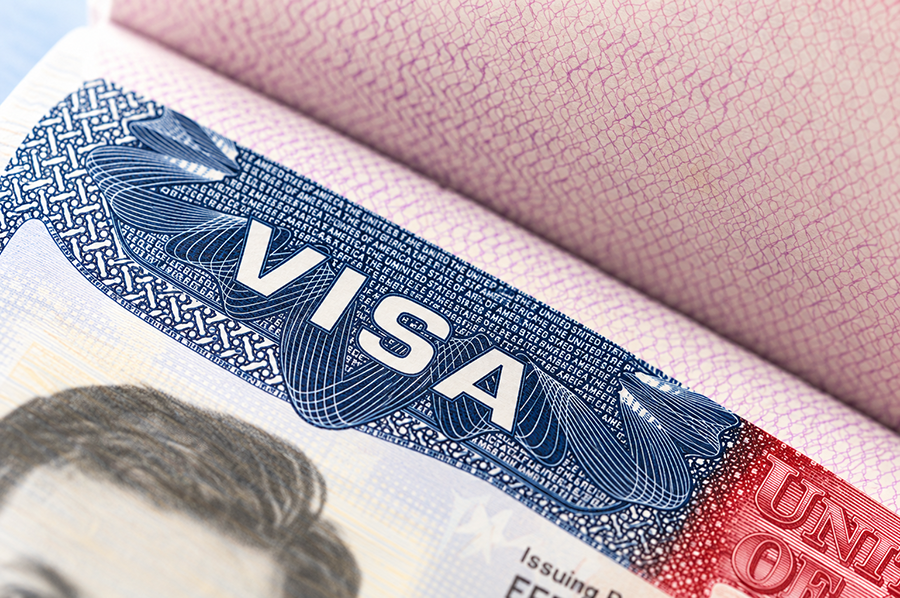
The State Department has revoked more than 250,000 U.S. visas since President Trump returned to office in January 2025, the department announced on October 1. Spokesman Tommy Pigott called it a historic milestone and said it reflects the administration’s commitment to protecting the American people. By the department’s own account, no administration has revoked more.
The number has been climbing fast. The department reported passing 100,000 revocations in December 2025, which it said was double the total for all of 2024, then 175,000 in August 2026, then a quarter million by the end of September. The acceleration comes from what the department calls continuous vetting: instead of checking a person once at the consulate, officials now run visa holders against criminal, immigration and intelligence databases on an ongoing basis, and a hit can cancel a visa years after it was issued, even while the holder is living in the United States.
Who Is Losing Visas
The department has not published a breakdown of the 250,000, but its statements since 2025 sketch the picture. A State Department official told Fox News the revocations cover people who violated the terms of their visas, committed crimes, called for violence against the United States or Americans, defrauded Americans, abused the immigration system or endangered national security. In August, officials said most cases followed law enforcement encounters for assault, drunk driving, theft and drug offenses, along with fraud and immigration violations, and they highlighted individual cases involving rape, kidnapping and child abuse.
The larger categories are more ordinary. When the count stood at 100,000 last December, the department said most revocations involved business and tourist travelers who overstayed, plus about 8,000 student visas and 2,500 skilled worker visas pulled after holders had contact with police. Student revocations drew the most attention in 2025, when the department cancelled visas of foreign students over campus protest activity and said every student visa it pulled involved either lawbreaking or support for terrorism.
Two newer groups appear in the latest announcement. About 2,300 visas were revoked over birth tourism, meaning the holder travelled on a visitor visa to give birth in the United States. And the department has gone back through B-1 and B-2 visitor visas issued between 2016 and 2026 to people who later applied for asylum, treating the later asylum claim as a sign the visitor visa may have been obtained under false pretenses. It has also used revocation as a foreign policy tool, cancelling the visas of 27 current and former officials and relatives from Bolivia, Colombia, Ecuador and Peru over corruption allegations on September 28, and announcing restrictions on people who obstruct the return of internationally abducted children.
Drunk driving deserves its own mention because it catches people who had no idea they were at risk. Under a policy dating to 2016, a DUI arrest alone, with no conviction, lets a consular officer cancel a visa on the theory that the holder may be medically ineligible. Local police report arrests directly to the department. Dependents’ visas, which are tied to the principal holder, can fall with it.
What a Revocation Actually Does
A visa and a status are two different things, and the difference decides how much damage a revocation does. The visa is the stamp in your passport that lets you ask to enter the country. Your status is the permission to be here that CBP grants at the border and that USCIS can extend. Revoking the visa cancels the stamp; it does not, by itself, cancel the status.
If you are inside the United States when the revocation happens, you generally keep your status until it expires, immigration lawyers at Duane Morris explain. A student stays enrolled, a worker keeps working. The department has told the immigration bar that revocations based on a DUI arrest take effect only when you leave the country. What changes is that you cannot come back on that visa. Leave for any reason, even a weekend in Canada or a family funeral, and you will need a new visa from a consulate before you can return, with the revocation on your record.
If you are outside the United States, the revocation is immediate. Many people learn about it only when an airline refuses to board them or a CBP officer pulls them aside on arrival. The department sometimes sends an email to the address on the application and sometimes sends nothing; there is no requirement that you be told.
There is also almost no appeal. Federal law bars courts from reviewing most visa revocations, and a prudential revocation, the precautionary kind used after an arrest, is not a finding of guilt and cannot be contested on the merits. The only remedy is to apply for a new visa and address whatever triggered the cancellation. A revocation is not a permanent bar, but a later finding that you misrepresented something on an application is, so consistency across every form you have ever filed matters more than ever.
The risk inside the country is indirect but real. Immigration lawyers report that ICE has placed some people in removal proceedings after a revocation, and that USCIS has denied extensions and changes of status by pointing to a revoked visa. In practice, a revoked visa can become the thread that unravels everything else.
What This Means for Immigrants
A quarter million cancellations in 21 months means ordinary people with minor incidents are getting caught, not only the serious criminals in the press releases. If you hold any nonimmigrant visa, a few rules follow from that:
- Do not travel abroad if you have had any arrest, however minor and however long ago, without talking to an immigration attorney first. The arrest does not need to have been in the United States.
- If you were arrested recently, check whether your visa is still valid before you book a flight. Email the consulate that issued it; some people have no idea until the airport.
- File extensions on time and keep copies of your I-94, I-20 or approved petition.
- Check the email address you used on your visa application, including the spam folder. That is the only place a notice will go.
- If you applied for asylum after entering on a visitor visa, the revocation does not affect the asylum case itself, but it will affect any future visa.
- If you receive a notice to depart after a DUI arrest, do not simply leave. The department’s own position is that a DUI-based revocation does not require departure, and leaving can forfeit a pending application. Get legal advice first.
For people who have built a life here on a temporary visa, the stamp in the passport is now the weakest link in their status, and the green card application they have been putting off is the thing to prioritize.