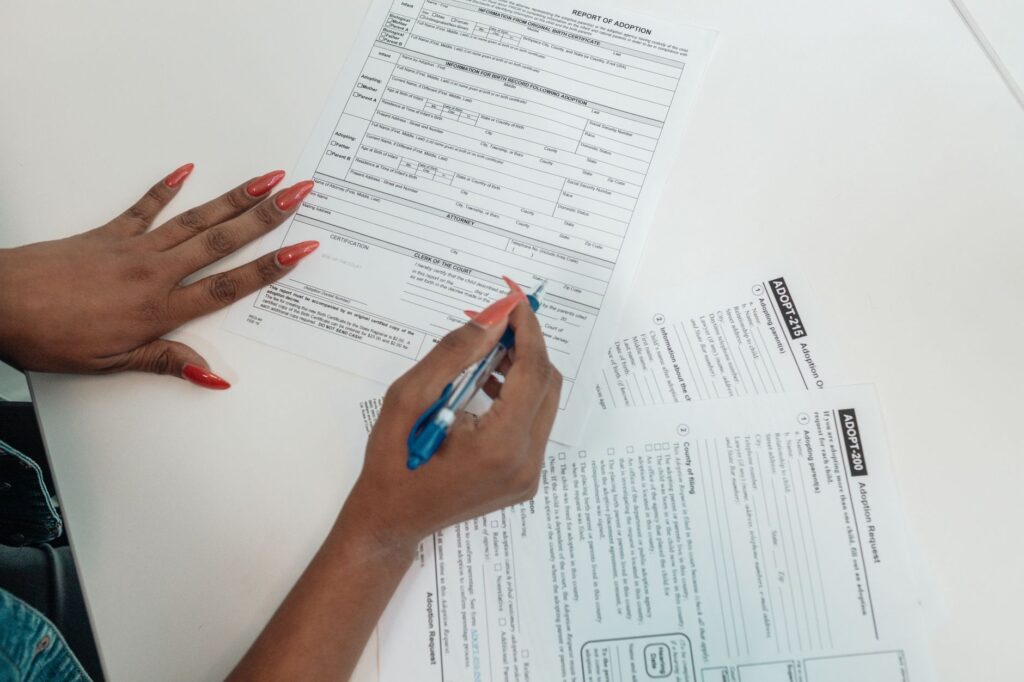
U.S. Citizenship and Immigration Services (USCIS) froze naturalization ceremonies for nationals of 19 countries starting December 2, 2025, then expanded the freeze to 39 countries plus the Palestinian Authority on January 1, 2026.
A federal court vacated all four policies on June 5, 2026, finding them arbitrary and capricious, and USCIS has since resumed processing—but the government's appeal to the First Circuit Court of Appeals remains active as of September 2026. The freeze affected applicants who had already passed interviews, paid fees, and cleared background checks, leaving them unable to take their oath ceremonies for months. Understanding what the freeze covered, who was frozen out, and where the case now stands helps affected applicants determine their own next steps.
Table of Contents
- What the Freeze Covered
- Who Was Frozen and the Impact
- The Court Challenge
- Current Status and What Happens Next
- What Applicants Should Do Now
- Frequently Asked Questions
What the Freeze Covered
USCIS Policy Memorandum PM-602-0192 halted naturalization ceremonies and all immigration benefit adjudications effective December 2, 2025, for nationals of 19 designated countries: Afghanistan, Iran, Yemen, Somalia, Libya, and 14 others. The freeze was implemented under Presidential Proclamation 10949 and applied to all pending cases, not just new filings.
One month later, on January 1, 2026, the freeze expanded dramatically to 39 countries plus the Palestinian Authority. The expansion caught applicants mid-pipeline—people whose final interviews were complete and who were already scheduled for oath ceremonies saw those appointments canceled indefinitely.
Who Was Frozen and the Impact
The freeze trapped hundreds of thousands of applicants in adjudication limbo. July 2026 naturalization completions dropped to 20,674 cases—a 74% decline from 80,077 in July 2025, according to data cited by the Niskanen Center. Denial rates doubled from 10% to 20%, and applications pending over six months increased 338%, indicating the freeze was blocking even routine cases.
Applicants affected by the freeze had already invested time and money: citizenship application fees ($650), biometric screening fees, travel to appointments, and time off work. They passed background checks and security vetting but could not complete naturalization because of their country of nationality, not because of any issue with their individual applications.
The Court Challenge
On June 5, 2026, U.S. District Judge John McConnell Jr. in Rhode Island vacated all four policies, ruling that uscis had exceeded its authority and violated the Administrative Procedure Act by implementing a freeze that was arbitrary and capricious. The judge stated USCIS "threw the lives of countless immigrants into indeterminate legal limbo" and "ignored the law." The plaintiff, Dorcas International Institute, argued the freeze violated due process and administrative law—not merely policy disagreement, but legal overreach.
The government appealed to the First Circuit court of Appeals on June 12, 2026 (Case No. 26-1703). The district court denied the government's request to pause enforcement of the ruling while the appeal proceeds, meaning the vacatur remained in effect during litigation.
Current Status and What Happens Next
USCIS confirmed compliance with the June 2026 court vacatur and resumed adjudicating frozen cases, though the agency stated it "strongly disagrees" with the ruling and maintains it retains legal authority to impose country-based holds on naturalization. Applicants who were frozen can now proceed with interviews and ceremonies if they have not yet had one, and those whose cases were pending at the time of the freeze should see movement.
The appeal's outcome remains uncertain. The First Circuit could uphold the district court's decision, overturn it, or affirm on different legal grounds. Litigation typically takes 12 to 24 months at the appellate level, so the case is unlikely to be resolved before late 2027 or 2028. Until then, USCIS is bound to follow the district court's order, but the agency's stated disagreement signals it may challenge the ruling further if it loses the First Circuit appeal.
What Applicants Should Do Now
If your naturalization application was frozen under the country-based hold, contact USCIS directly through your case portal or call 1-800-375-5283 to confirm your current application status. Do not assume your case will move automatically—follow up with USCIS to schedule any pending interviews or ceremonies that were canceled. Gather documentation from your frozen period: confirmation notices, canceled ceremony appointment letters, and receipts for any fees paid. Keep records of any hardship caused by the delay (delayed name change, delayed travel, professional credential delays) in case future litigation seeks damages or remedies.
Frequently Asked Questions
If my case was frozen, do I need to reapply?
No. Your application remains valid. Contact USCIS to confirm your case status and request a new interview or ceremony date if one was canceled.
Which countries are affected?
The freeze covered 39 countries plus the Palestinian Authority as of January 1, 2026. USCIS publishes the complete list on its website; check the specific policy memoranda PM-602-0192 and PM-602-0194 for the exact list.
Can USCIS reimpose the freeze if it wins the appeal?
If the First Circuit Court of Appeals overturns the district court's ruling, USCIS would likely have authority to reinstate country-based holds. However, applicants whose cases are adjudicated before any new policy takes effect would retain their approvals.