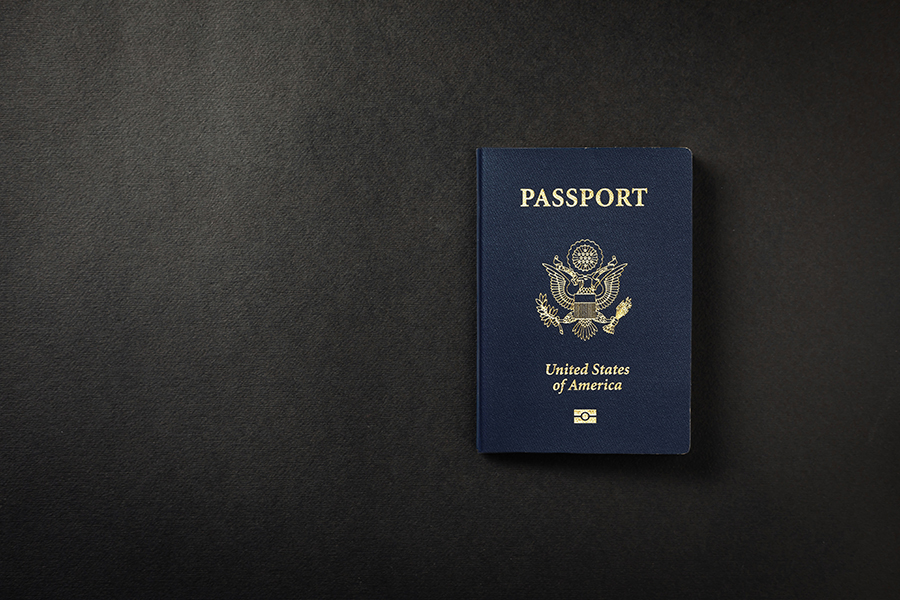
The Justice Department announced Monday that it has sued to revoke the citizenship of 40 naturalized Americans, the largest single batch the department has announced. The complaints were filed in 19 federal district courts between August 21 and October 2 against people from 21 countries; nine are from Mexico, four from Pakistan. Attorney General Todd Blanche called it the largest denaturalization effort in modern history. Assistant Attorney General Brett Shumate said every one of the 40 lied their way into citizenship.
The scale is new. Between 2008 and 2025, the government filed roughly 125 civil denaturalization lawsuits in total, under ten a year, according to Syracuse University’s TRAC. This year the department had filed at least 105 by the end of July, 50 of them in July alone, and now 40 more in six weeks. The administration has told USCIS to refer 100 to 200 potential cases a month and said in April it had a list of at least 300 people under review. For the 25 million naturalized citizens in the country, the question is no longer whether denaturalization is theoretical but who is on the list.
Who the 40 Are
The department’s press release leads with its most serious cases. Jinchao Wei, 26, enlisted in the Navy in 2021, was naturalized through the expedited military process in May 2022 and was sentenced last year to 200 months for selling military secrets to China. Ping Li, 61, pleaded guilty in 2024 to acting as an agent of China’s Ministry of State Security, reporting on dissidents and Falun Gong members. Javier Marrero-Pando, 60, of Athens, Georgia, is serving a sentence for aggravated sodomy against a man with special needs, a crime committed five months before he swore at his naturalization interview that he had never committed an offense for which he had not been arrested. Several others were convicted after naturalizing of sexual abuse of minors that began before they became citizens; one, Norma Patricia Esparza, of voluntary manslaughter.
Most of the rest are fraud cases, and the pattern is consistent. Ahmad Bahar Khattak of Pakistan was ordered excluded in 1994 under one name and naturalized in 2008 under another. Varis Jan Safi of Afghanistan was ordered excluded in 1995, invented a new identity, married a citizen and adjusted status. Johyce Martinez of Venezuela entered in 2006 on a forged Cuban birth registration and got a green card under the Cuban Adjustment Act. Three men are accused of fabricating a first wife’s death or divorce to marry a U.S. citizen. A Colombian woman in Hialeah was convicted of money laundering for conduct that began before she naturalized; an Iranian man in Miami pleaded guilty to evading taxes on $12.5 million in income. The thinnest case on its face is Francis Darko Asamoah of Virginia, accused of telling his naturalization interviewer in 2013 that he had no children, when a birth certificate listed him as the father of a child born in 2011 to a woman who was not his wife; the government says the lie prevented it from checking whether his marriage was real.
All 40 are civil complaints, not criminal charges, and the department notes that nothing has been proven. In most of the cases the underlying crime is already a matter of record, through a guilty plea or a conviction, so the fight will be over whether the conduct predates naturalization and whether it was concealed, not whether it happened.
How Denaturalization Works
Naturalized citizenship can be revoked on two grounds under federal law: it was illegally procured, meaning the person was not actually eligible at the time, or it was procured by concealing a material fact or willful misrepresentation. In practice the second ground almost always comes down to the questions on the N-400 application and at the interview, including whether the applicant has ever committed a crime for which they were not arrested. The Supreme Court has held that the government cannot strip citizenship for anything done after naturalization; the case has to be about how citizenship was obtained.
There are two routes. Criminal denaturalization follows a conviction for naturalization fraud, carries a ten-year statute of limitations and comes with the protections of a criminal trial. Civil denaturalization has no statute of limitations, no right to a jury and no right to appointed counsel. The government must prove its case by clear, convincing and unequivocal evidence, a standard higher than most civil cases but lower than a criminal one. Cases can reach back decades; several of the 40 naturalized in 2008 or 2009, and one in 1993.
The policy shift came in a June 2025 memo from Shumate directing the Civil Division to prioritize and maximally pursue denaturalization in every case the law permits. It listed ten categories, from national security threats and war criminals to anyone who committed a felony not disclosed on the application, and added a catch-all for any case the division finds sufficiently important. The first Trump administration filed 102 cases over four years, many of them referrals from Operation Janus, an Obama-era project that used old fingerprint records to find people who naturalized under a second identity after a deportation order. The last time the government revoked citizenship in large numbers was the 1940s and 1950s, when it targeted suspected communists; a smaller campaign against former Nazi collaborators followed in later decades.
If a court orders denaturalization, the person reverts to whatever status they held before, usually a green card, and the government can then move to revoke that too and begin removal proceedings. Spouses and children who derived citizenship through the person can lose it as well.
What This Means for Naturalized Citizens
For the overwhelming majority of naturalized Americans, nothing in Monday’s announcement applies. Every one of the 40 cases alleges a concrete lie at the moment of naturalization. The government cannot revoke citizenship for political views or for a mistake that was not material. The Shumate memo’s catch-all language is broader than the cases filed so far, and immigrant advocates warn it leaves room for the program to grow, but the more than 140 lawsuits filed this year are all built on the same two statutory grounds.
That said, the review is now systematic, not incidental, and the people most exposed are:
- Anyone who was ever ordered removed or excluded under a different name, even decades ago, and later adjusted status. These are the easiest cases for the government, because fingerprints settle the identity question.
- Anyone whose green card came through a marriage that ended soon after naturalization, especially where there was a child with someone else or a prior spouse still living abroad.
- Anyone convicted after naturalizing of a crime whose conduct began before the oath; the government reads the N-400 question literally.
- Anyone who answered no to the arrest and crimes questions while an investigation they knew about was underway.
If you fit one of those and have not been contacted, the time to see an immigration attorney is before a complaint arrives, not after. A lawyer can review your A-file, assess whether an omission was material, and in some cases prepare a defense around the fact that USCIS knew or should have known the information at the time.
If you are served with a denaturalization complaint, do not ignore it. A default judgment can be entered if you fail to respond, which means losing citizenship without a hearing. Legal aid organizations and law school immigration clinics are the realistic options for people who cannot afford a lawyer. Do not travel abroad while the case is pending; a denaturalized citizen who is outside the country has no right to return.
And keep documents. Copies of your N-400, your interview notes, your green card application and any court records from before naturalization are the evidence in these cases. The government has its file; you should have yours.