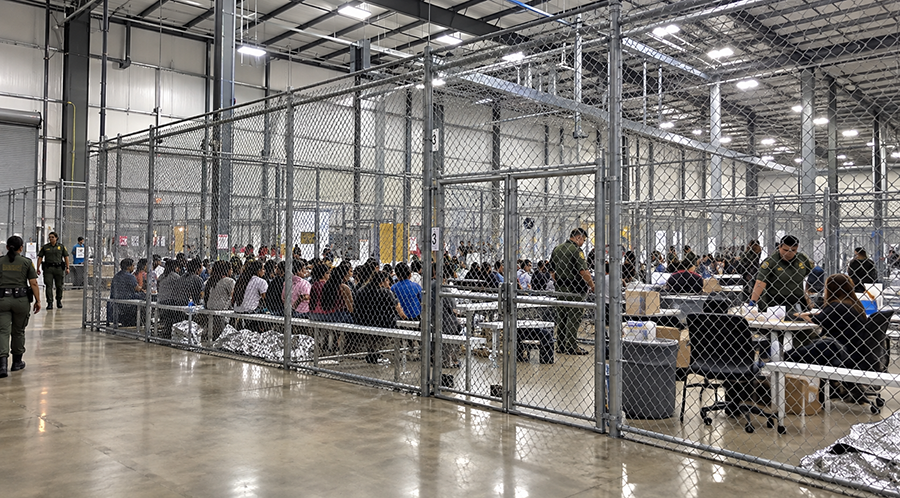
According to CNN reporting, the El Paso County Medical Examiner ruled Geraldo Lunas Campos's death on January 3, 2026, a homicide caused by asphyxia—compression of the neck and torso while he was being physically restrained by multiple guards at Camp East Montana, an ICE detention facility in Fort Bliss, Texas. The determination contradicts the Department of Homeland Security's initial account, which claimed Campos attempted suicide and that guards "immediately intervened to save his life." This case raises urgent questions about detainee safety inside ICE facilities and whether current oversight mechanisms can prevent deaths during physical restraints, particularly for people with known mental health needs.
Table of Contents
- What Happened That Morning
- What the Autopsy Documented
- DHS's Account Versus the Evidence
- His Background and Detention History
- Deaths at Camp East Montana and Across ICE
- What This Ruling Means for ICE Policy
- Frequently Asked Questions
What Happened That Morning
On January 3, 2026, Geraldo Lunas campos, a 55-year-old Cuban national, died during a physical confrontation with guards at Camp East Montana. According to witness accounts cited by the Associated Press, at least five guards held Lunas Campos to the ground while he was already handcuffed.
One guard applied his arm around Campos's neck and squeezed until he lost consciousness. The incident was not a momentary hold but a prolonged restraint. Campos was unable to call for help or signal distress while in handcuffs under the weight of multiple people applying force to his neck and torso.
What the Autopsy Documented
The medical examiner's autopsy documented physical evidence matching witness accounts. According to NPR reporting, Lunas Campos had abrasions on his chest and knees, consistent with being held forcefully to the ground. Hemorrhages—internal bleeding—were found on his neck, consistent with compression from an arm or hands applied with force. These findings led to the homicide determination announced January 21, 2026. A homicide ruling means the death was caused by another person's actions, not that those actions were illegal—a determination of criminal liability belongs to prosecutors and courts.
DHS's Account Versus the Evidence
DHS initially presented a different account. The department stated that Lunas Campos had attempted to harm himself and that guards "immediately intervened to save his life." This narrative did not align with witness testimony describing an escalating restraint that resulted in unconsciousness and death, not a rescue.
The gap between the official claim and the autopsy findings is substantial. Witness accounts and medical evidence are more difficult to dispute than agency statements, which is why the medical examiner's independent professional determination carries weight with courts and oversight bodies.
His Background and Detention History
Lunas Campos, a Cuban national, arrived in the United States in 1996. He had prior criminal convictions: sexual contact with a minor in New York, and drug offenses. ICE detained him in July 2025 and transferred him to Camp East Montana in September 2025. Before his death, a Washington Post investigation published July 2, 2026, revealed that Lunas Campos had sought mental health treatment. The facility did not prevent his fatal encounter with guards despite his known mental health needs.
Deaths at Camp East Montana and Across ICE
The death of Geraldo Lunas Campos was the third detainee death at Camp East Montana since the facility began operating. The broader context is more concerning: 37 people died in ICE custody during fiscal year 2026 alone, according to government data. These deaths are not equally distributed across facilities. Facilities with histories of multiple deaths, like Camp East Montana, warrant investigation into whether staff training, medical response, or restraint protocols are adequate.
What This Ruling Means for ICE Policy
The homicide determination is significant because it creates official documentation that a death occurred during guard restraint—contradicting DHS's initial account. This record strengthens potential civil and criminal liability claims against the government. However, a medical examiner's ruling does not automatically trigger policy changes. Implementing changes in restraint protocols, training, or medical response at ICE facilities would require further investigations by the Department of Homeland Security Inspector General, congressional action, or successful civil litigation.
Frequently Asked Questions
Was the guard or the facility criminally charged?
The research findings do not specify criminal charges. The medical examiner's homicide determination is separate from whether criminal prosecution occurred. A homicide ruling establishes that the death was caused by another person's actions, but determining criminal liability is a legal question resolved through investigation and prosecution.
Can the family sue for damages?
A homicide determination strengthens potential civil liability claims. Families typically consult immigration attorneys and civil rights organizations specializing in detention cases for specific legal options available in their situation.
Are there federal rules about using force during detention?
ICE detention is governed by federal rules, but enforcement varies by facility and incident. The homicide determination in this case may prompt federal review of restraint protocols at Camp East Montana and similar facilities under DHS oversight.