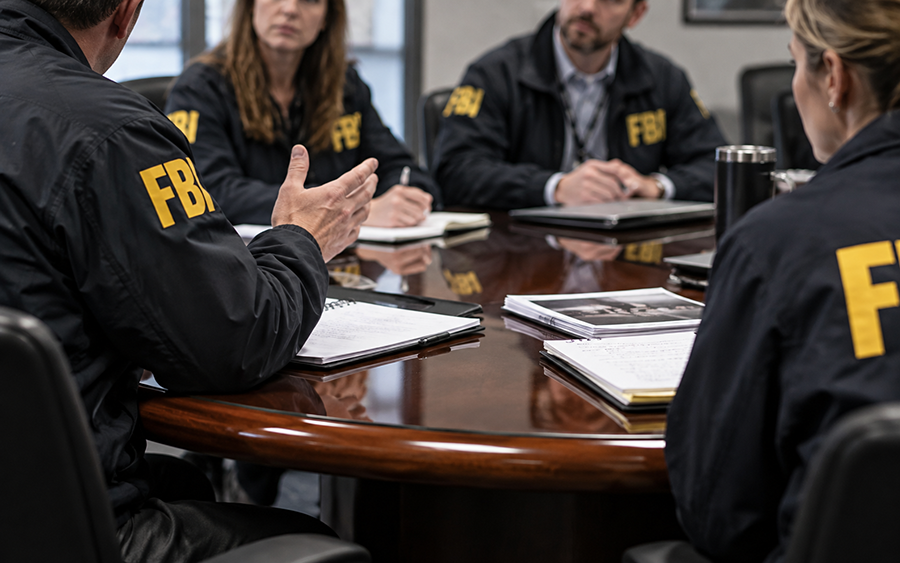
Since late September, large numbers of people with pending USCIS cases have found a one-page letter in their online accounts or mailboxes titled FBI Privacy Requirements for Biometrics Collection by USCIS. It has no receipt number, it mentions the FBI in the first line, and it has set off a wave of panic among green card, citizenship, asylum and work permit applicants who assume it means something has gone wrong.
It does not. The letter is a privacy notice that federal law requires USCIS to give anyone whose fingerprints it sends to the FBI for a background check. It asks for nothing: the letter itself says no action is needed and that USCIS will send a separate notice if it needs anything from you. Nothing in it means the FBI found anything about you, or looked at you at all beyond the routine fingerprint check every applicant gets.
Why the Letter Exists
Every immigration application that requires biometrics sends your fingerprints to the FBI, which checks them against its criminal history database and returns the result to USCIS. That has been true for decades. A federal regulation, 28 CFR 50.12, says that when an agency uses the FBI’s records for a non-criminal purpose, such as a job license or an immigration benefit, it must tell the person in writing how the information will be used and what their rights are. Employers, state licensing boards and school districts hand out the same notice to nurses, teachers and security guards; the FBI publishes the standard text.
The rights it lists are the same for everyone:
- You can request a copy of your own FBI record, called an Identity History Summary, through the FBI’s CJIS Division.
- If the record is wrong or incomplete, you can challenge it and have it corrected before a decision is made based on it.
- If USCIS intends to deny your application because of something in the record, it has to give you a chance to respond first.
- The agency receiving the results may use them only for the purpose it requested them.
That is the whole content of the letter.
Why It Is Arriving Now
The letter explains the timing in its own text. Since 2017, USCIS has been shifting from a one-time background check, run once when your case is filed, to what it calls Continuous Immigration Vetting. Under the old system the FBI check showed your record on the day it ran. Under the new one, your fingerprints stay enrolled with the FBI while your case is pending, and if a new arrest or conviction is added to your record, USCIS learns about it without re-running the check.
Two things happened in 2026 to turn that slow transition into a mass mailing. In the spring, according to immigration lawyers who have described the internal guidance, USCIS began receiving a fuller FBI record than it used to and re-ran fingerprint checks on cases pending as of late April, one reason processing slowed across the board this year. Then, in September, USCIS began enrolling large batches of pending cases into the continuous vetting system. Each enrollment counts as a new use of the applicant’s fingerprints, and each new use triggers the legal requirement to send the privacy notice.
That is why people whose biometrics were taken months ago, or who have no idea why the FBI would be mentioned at all, are receiving it at the same time as people fresh from an appointment. It tracks the system update, not anything about the individual.
What to Do
Nothing. Do not reply, do not call USCIS about it and do not send documents. Save a copy with your case file and move on.
If you have a lawyer, forward it so they have it; most have already seen dozens.
If you have a criminal record anywhere in the world, including arrests that were dismissed, this letter is a reminder rather than a warning: USCIS will see it, and the time to address it is before the interview, not after a denial. If you have never disclosed something because you thought it was too old or too minor, talk to an attorney now. Continuous vetting means an old record that was missed in an earlier check may surface in this one.
If you want to see what the FBI has on you, you can order your Identity History Summary directly from the FBI for $18. It takes a few weeks and requires fingerprinting. Applicants with any history sometimes do this before an interview so there are no surprises.
The real risk in this story is fraud. A letter that sends thousands of people into a panic is an opening for scammers. Anyone who contacts you by phone, text or email claiming to be from USCIS or the FBI about this notice, asking for money, a Social Security number, a bank account or a payment to clear your record, is not from either agency. USCIS does not take payment by phone and does not threaten arrest over a pending application. Check anything unexpected against your online account, where the genuine letter appears as a document in your case, and report attempts to the Federal Trade Commission.
The only version of this letter that warrants a call to a lawyer is one that is not this letter: a Request for Evidence, a Notice of Intent to Deny, or a letter with a receipt number asking you to do something by a date. Those are different documents, they say what they are at the top, and they come with deadlines. The FBI privacy notice has none.