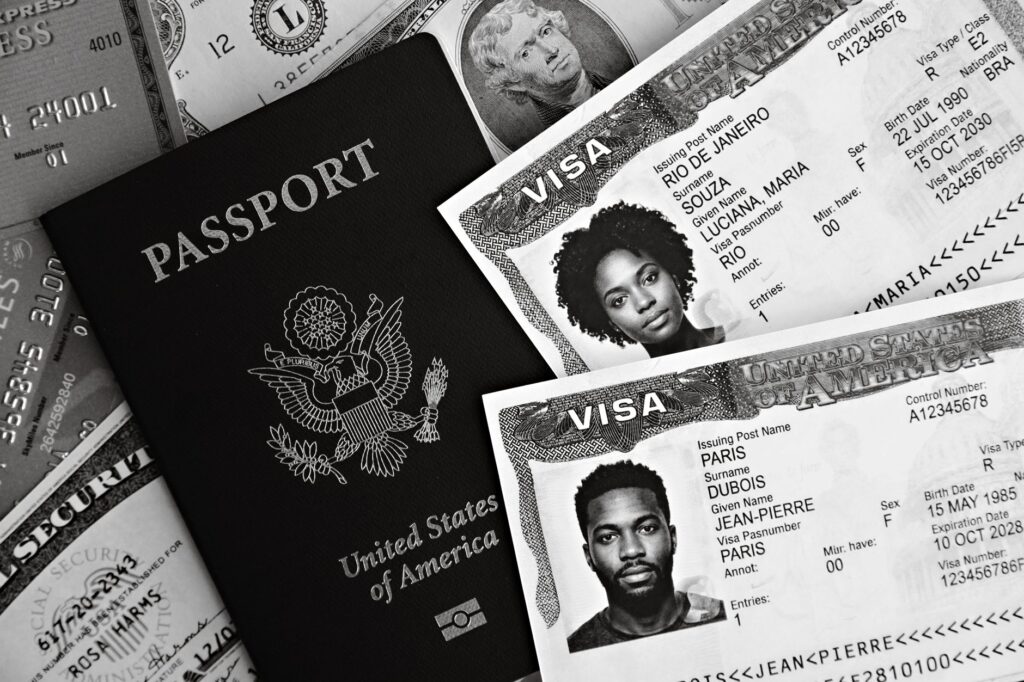
Two federal class actions filed by diversity visa applicants challenge the Trump administration's suspension of visa processing before a September 30, 2026 deadline. On August 28, 2026, a federal judge granted a preliminary injunction in one case, temporarily lifting the suspension.
The first lawsuit, filed March 2026 by 1,622 individuals from 738 diversity visa selectee families, challenged the government's pause on constitutional and Administrative Procedure Act grounds. A second class action, filed June 2026 by 664 selectee families representing 1,489 individuals, alleged the same violations. September 30 is the statutory end of the fiscal year when all diversity visas expire with no extensions possible, leaving approved applicants fewer than two months to complete their cases.
Official resources:
- Register through Federalregister’s official page — Use this page to review requirements and register directly.
- Read the official notice from Courthousenews — Use this primary source to verify the official announcement.
Table of Contents
- Two Class Actions Challenge the Government's Visa Suspension
- A Federal Judge Orders Temporary Relief
- September 30 Is an Immovable Deadline
- Thousands of Applicants Face Permanent Loss of Status
- What Affected Applicants Should Do Now
- Frequently Asked Questions
Two Class Actions Challenge the Government's Visa Suspension
The first lawsuit, *Ivanov v. Trump*, was filed March 15, 2026, in the U.S. District Court for the District of Columbia by 1,622 individuals from 738 diversity visa selectee families across 72 countries. The plaintiffs alleged that the Trump administration's suspension of diversity visa processing violated the U.S. Constitution and the Administrative Procedure Act.
That law requires federal agencies to provide reasoned explanations for major policy changes. A second class action, *Medani v. Trump*, was filed June 24, 2026, in the U.S. District Court for the Northern District of California by 664 selectee families representing 1,489 individuals. This case alleged that the government's indefinite halt of visa final adjudication and adjustment of status cases violated the Immigration and Nationality Act and the Administrative Procedure Act.
Both lawsuits named President Donald J. Trump, White House Deputy Chief of Staff Stephen Miller, Secretary of State Marco Rubio, and uscis Director Joseph Edlow as defendants.
A Federal Judge Orders Temporary Relief
On August 28, 2026, Federal Judge Edward J. Davila granted plaintiffs a preliminary injunction in the *Medani* case, finding the government's actions "likely arbitrary and capricious." The injunction temporarily vacated three government measures: USCIS's hold on diversity visa adjustment of status cases, the State Department's general pause on diversity visa issuance, and an additional pause affecting nationals of 75 countries.
A preliminary injunction does not decide the case on its merits but provides temporary relief while the lawsuit continues. This means visa processing should resume for covered applicants—those in the U.S. seeking to change status to permanent resident, and those abroad waiting for consular processing. The *Ivanov* case in Washington, D.C., remains pending and may produce its own relief.
September 30 Is an Immovable Deadline
The September 30, 2026 deadline marks the statutory end of the U.S. government's fiscal year 2026; diversity visas cannot carry over to the next fiscal year and all selected applicants must receive their immigrant visas or complete adjustment of status by this date or lose their selection with no extensions possible. This deadline is fixed by law and cannot be extended, waived, or moved for any applicant or circumstance. Any applicant whose case remains unfinalized after September 30 loses their diversity visa selection permanently.
There is no reapplication process and no way to reinstate a lost selection. The eight-month government pause from January to August 2026 compressed the timeline for case adjudication, turning a normal schedule into a race to complete thousands of cases in weeks.
Thousands of Applicants Face Permanent Loss of Status
The two lawsuits together represent at least 2,111 selectee families covering more than 3,000 individuals. However, the total number of approved applicants facing the September 30 deadline is substantially higher. Approximately 55,000 diversity visas are available annually, meaning many thousands of applicants selected in the DV-2026 lottery are trying to complete their cases.
Applicants range from recent selectees in early processing stages to those with nearly completed cases awaiting final approval. For those abroad, the State Department's pause delayed consular processing. For those in the United States, USCIS's pause delayed adjustment of status cases. The preliminary injunction should allow processing to resume, but administrative backlogs mean completion by September 30 remains uncertain.
What Affected Applicants Should Do Now
Confirm your case status immediately with USCIS or the National Visa Center if you have a pending diversity visa case. The preliminary injunction means processing should resume, but delays may persist due to the backlog from the pause. Do not assume your case is being worked on—contact your immigration office directly. Document everything related to your case: all notices, receipts, medical exams, background checks, and prior communications with USCIS or the State Department.
Stay in close contact with your immigration lawyer or accredited representative and your government office between now and September 30. The preliminary injunction temporarily lifts the pause, but as litigation continues, government policy could shift again.
Frequently Asked Questions
What happens if my case is not finished by September 30?
Your diversity visa selection is permanently lost. The deadline cannot be extended, and there is no way to reinstate a lost selection or reapply under the same category. You must receive final approval by September 30 or lose your status.
Does the preliminary injunction guarantee I will get my visa?
No. The injunction temporarily lifts the processing pause, but it does not guarantee approval or set a new timeline. Your case will be adjudicated under normal procedures, but significant risk remains that it will not be completed by September 30.
Will the lawsuit change the September 30 deadline?
No. The preliminary injunction only lifts the processing pause. It does not change the fiscal year deadline, which is set by law. The lawsuit challenges whether the government had authority to pause processing, but it does not move the deadline.