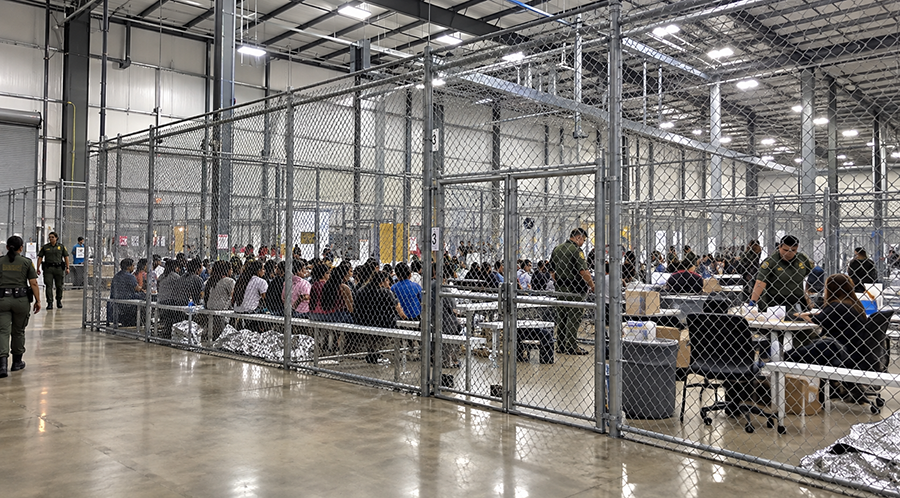
Immigration detention centers documented 33 deaths in custody during 2025—the highest annual toll since 2004. According to a Human Rights Watch review, 95 percent of those examined were preventable or possibly preventable if detainees had received appropriate medical care. The deaths tell a consistent story: detainees with manageable medical symptoms—a toothache, pain, infection signs—seek care and receive inadequate treatment.
Days or weeks pass. Simple infections spread into life-threatening bloodstream infections. By the time urgent intervention becomes possible, the damage is irreversible.
Table of Contents
- Deaths Rise to the Highest Level in More Than Two Decades
- How Untreated Infections Become Deadly
- Inspections Document Systematic Medical Failures
Deaths Rise to the Highest Level in More Than Two Decades
ICE recorded 33 deaths in custody during 2025, the highest annual count since 2004. When researchers at Human Rights Watch examined 52 cases, they found that 95 percent were preventable or possibly preventable if clinically appropriate medical care had been provided when symptoms first appeared. The scale of preventable deaths indicates a facility-wide problem rather than scattered incidents. When nearly all examined cases could have been avoided with standard medical protocol, the pattern points to systemic gaps: inadequate staffing, insufficient access to physicians, delayed responses to reported symptoms, or combinations of all three.
How Untreated Infections Become Deadly
According to a letter from U.S. House Representative Raúl Grijalva, Emmanuel Damas, 56, sought care on February 12, 2026, at Central Arizona Florence Correctional Center for severe tooth pain but received only ibuprofen. Over the next three weeks, the untreated infection spread from his tooth into his bloodstream. On March 2, he died of sepsis—a systemic infection that begins as a localized problem with time to treat.
A California Department of Justice report documented that Ismael Ayala-Uribe, 39, reported severe buttock pain on September 17, 2025, at Adelanto ICE Processing Center. A nurse consulted a doctor by phone instead of arranging an in-person examination. He received only over-the-counter pain medication. Within four days, infection had spread, causing respiratory failure and sepsis.
He died on September 22. Both cases follow an identical sequence: a detainee reports a medical complaint, facility staff offer minimal treatment, the underlying infection advances unchecked, and sepsis develops. Sepsis kills within days. The window to prevent it—through antibiotics, wound drainage, or physician examination—closes within hours or days of an infection's onset.
Inspections Document Systematic Medical Failures
A DHS Office of Inspector General inspection of Nye County Detention Center in July and August 2024 found that medical staff failed to perform required tuberculosis screenings before transferring detainees to other locations. The same report documented that medical procedures were not accurately logged, making it impossible to verify what care was or was not delivered. These inspection findings show that medical failures are not aberrations. When federal regulators examine detention facilities, they consistently find the same gaps repeated across different sites: missing screenings, incomplete record-keeping, and processes that hide or obscure what occurred.