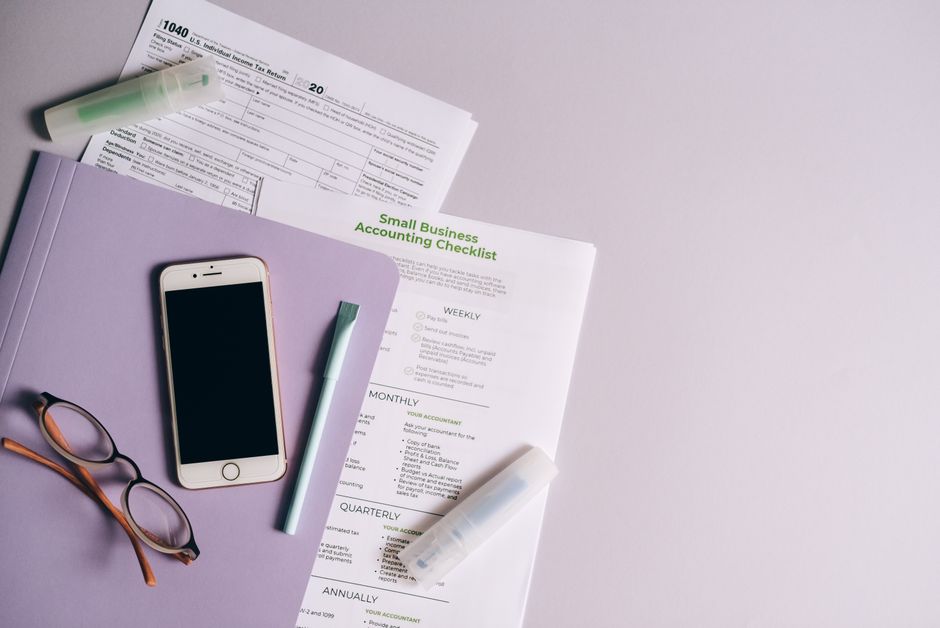
All green card applicants must submit Form I-485 and an original approval notice for their underlying immigration petition. Your specific supporting documents depend on your pathway—employment-based, family-sponsored, or diversity visa—but every applicant needs a medical exam, financial sponsorship documentation, police records, and certified English translations of any foreign-language documents. The documentation required can span dozens of pages and varies significantly by pathway. Understanding your category's requirements prevents costly delays and rejections.
Official resources:
- Apply through Uscis’s official page — Use this page to review requirements and apply directly.
- Apply through Uscis’s official page — Use this page to review requirements and apply directly.
Table of Contents
- The I-485 Form and Your Approval Notice
- Medical Examination and Financial Sponsorship
- Documents for Employment, Family, and Diversity Pathways
- Criminal History Records and Language Certification
The I-485 Form and Your Approval Notice
The foundation of every green card application is Form I-485 (Application to Register Permanent Residence or Adjust status) and the original I-797 approval notice from USCIS confirming your underlying petition was approved. Your petition may be a family relationship petition (I-130), an employment petition (I-140), a diversity visa selection, or another category. The approval notice proves USCIS has already determined you qualify for permanent residence before you adjust status within the United States.
Medical Examination and Financial Sponsorship
Every applicant must undergo a medical examination on Form I-693 performed by a USCIS-designated civil surgeon. According to USCIS, medical exams signed on or after November 1, 2023 remain valid for your entire application pending period—you will not need to repeat the exam if your case takes longer to process.
Most applicants must also submit an Affidavit of Support (Form I-864) signed by a financial sponsor. The sponsor's annual household income must reach at least 125% of the Federal Poverty Guidelines for their household size. The sponsor is typically a family member (for family-based applicants) or an employer-designated representative (for employment-based applicants), and their role is to certify you will not become dependent on government assistance.
Documents for Employment, Family, and Diversity Pathways
Employment-based applicants must submit Form I-140 (Immigrant Petition for Alien Worker). Those in the EB-2 and EB-3 categories must also include a Department of Labor Form ETA-9089 (Labor Certification) or a final labor certification determination showing your employer conducted recruitment and no available U.S. worker can perform your role. Family-based applicants must provide relationship documentation such as birth certificates, marriage certificates, divorce decrees, or adoption decrees, along with the original I-797 approval notice for the Form I-130 (Petition for Alien Relative).
Your relationship to your U.S. petitioner—spouse, parent, child, sibling, or other relative—determines your preference category and how quickly your case is processed. Diversity visa applicants must submit the Department of State selection letter confirming their selection, proof that the $330 DOS processing fee was paid, evidence of required education or two years of qualifying work experience, and relationship documentation for any immediate family members immigrating alongside them.
Criminal History Records and Language Certification
Every applicant must provide certified police and court records documenting any arrests, charges, or convictions from the United States, your country of origin, and any country where you have lived for more than six months since age 18. Failure to disclose criminal history can result in application denial and initiation of deportation proceedings. Any documents submitted in a foreign language must include a full english translation certified by the translator.
The translator must declare their competency in both languages and confirm the translation is complete and accurate. USCIS rejects applications with missing or incomplete certified translations.