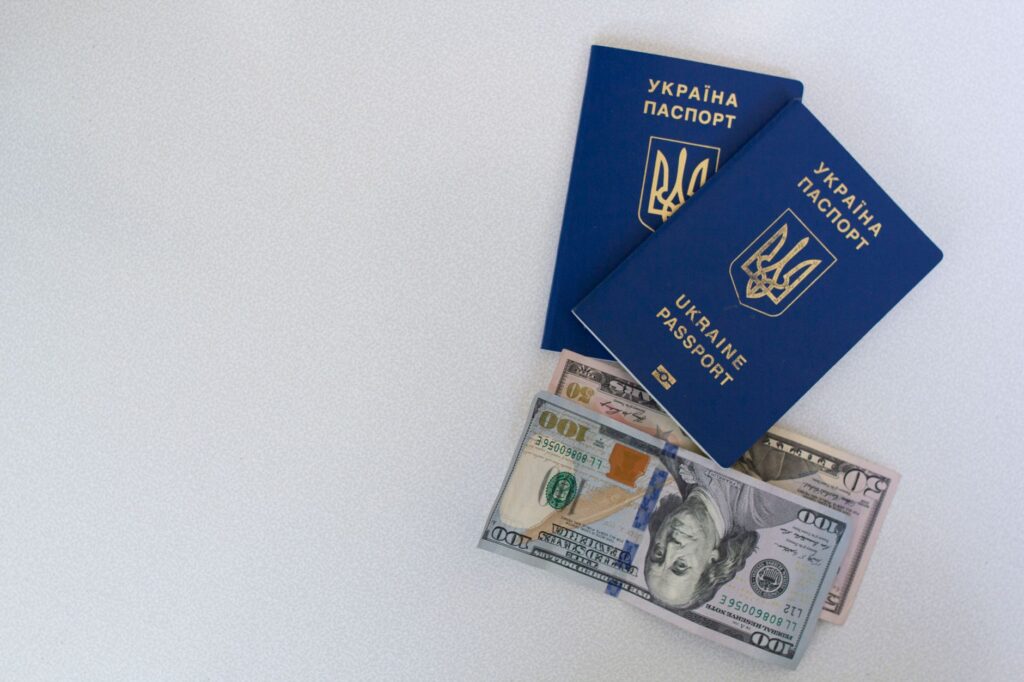
The specific claim that DHS conducted 170 million benefits eligibility checks in 2025 cannot be verified from publicly available sources, but DHS does systematically verify immigration status across multiple federal assistance programs. When multiple agencies' verification efforts are measured separately—SNAP's 42.1 million monthly participants, citizenship verifications through the SAVE program, and Social Security's identity checks—the cumulative volume of eligibility reviews reaches substantial figures, though no official DHS report consolidates a single "170 million" number for the year. Understanding what verification actually happens matters for anyone applying for federal benefits or concerned about immigration status checks. The federal government increasingly cross-references immigration databases to confirm eligibility, and the processes have changed significantly in recent years.
Table of Contents
- How DHS Verifies Immigration Status for Benefits
- What the Numbers Actually Show
- Who Gets Flagged and Why
- What to Do If You Are Flagged as Ineligible
- The Verification Limits: What Does and Does Not Get Checked
How DHS Verifies Immigration Status for Benefits
The Department of Homeland Security uses the SAVE program (Systematic Alien Verification for Entitlements) to verify whether people claiming federal benefits are lawfully present in the United States. The SAVE program verified approximately 65 million people across 26 states as of May 2025, flagging 28,635 as potential noncitizens—though the system has documented error rates; roughly 20% of flagged individuals in Texas were later confirmed as eligible citizens.
In February 2025, DHS enhanced benefits eligibility verification systems nationwide through Executive Order 14218, requiring verification of immigration status to exclude unlawfully present individuals from federally funded benefits programs. This executive action expanded verification requirements across state and federal agencies administering assistance.
What the Numbers Actually Show
SNAP served an average of 42.1 million participants per month in fiscal year 2025, and the USDA conducts cross-referenced eligibility verification against Social Security, SAVE, and other federal databases to prevent fraud and duplicate enrollments. Each monthly check represents one verification touchpoint, though the same individual may be verified multiple times annually.
The Social Security Administration implemented in-person identity verification starting April 14, 2025, affecting an estimated 6 million seniors unable to complete remote verification. These checks focus on preventing identity fraud and protecting benefit accounts rather than immigration status specifically, but they represent part of the broader verification infrastructure.
Who Gets Flagged and Why
Eligibility verification checks trigger when you apply for federal benefits (SNAP, Medicaid, housing assistance) or renew existing assistance. The process cross-checks your name, date of birth, and Social Security number against federal immigration databases maintained by DHS and the SSA. Immigration status matters for most federal means-tested benefits—documented citizens and lawfully present immigrants qualify, while undocumented individuals typically do not.
The verification happens automatically during application processing; you do not need to do anything differently. However, the SAVE program's error rate means some lawfully present individuals are incorrectly flagged, particularly in states with high verification volume.
What to Do If You Are Flagged as Ineligible
If an eligibility verification check flags you as potentially ineligible due to immigration status, you have the right to be notified and given an opportunity to contest the determination. Most state agencies must provide written notice explaining why you were deemed ineligible and information on how to request a hearing or appeal. You can request a manual review of your case, which often resolves errors—the 20% false-positive rate in Texas suggests that a significant portion of flagged individuals can prove eligibility through additional documentation. Contact your state benefits agency or a local immigration legal services organization for help challenging an incorrect determination.
The Verification Limits: What Does and Does Not Get Checked
Immigration status verification through SAVE and other databases only confirms whether your name, date of birth, and Social Security number match federal records of lawfully present individuals. It does not catch identity theft, fraud in your application, or recent status changes that have not yet been updated in government databases. Administrative errors and database delays mean that even eligible people can be temporarily flagged.
For immigration-specific guidance, consult an immigration attorney or accredited representative before accepting a benefits denial based on immigration status. Free legal help is often available through nonprofit immigration legal services organizations in your state.