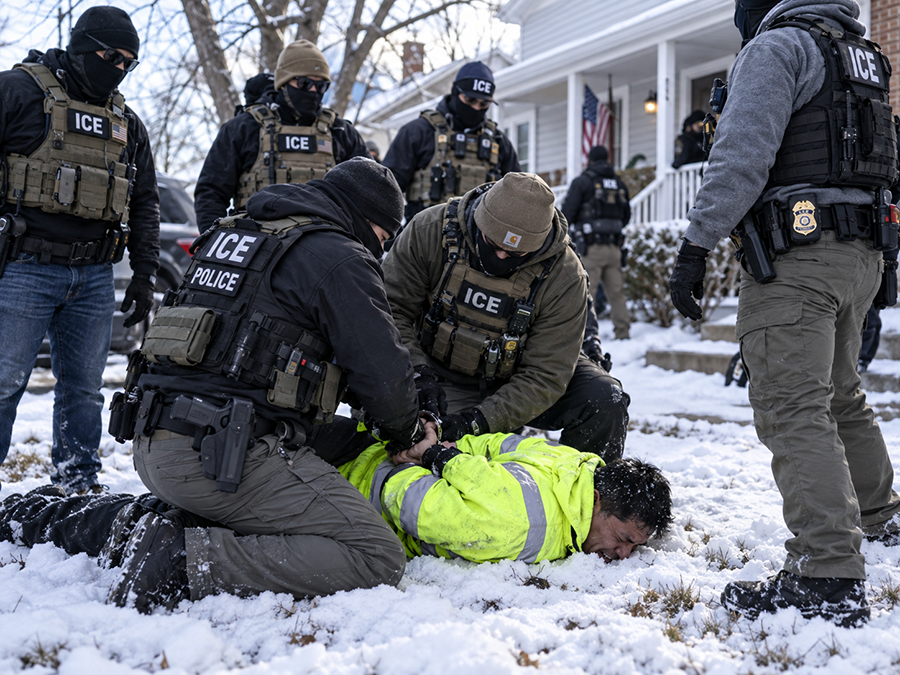
U.S. Immigration and Customs Enforcement reached an unprecedented daily detention population of 70,766 people on January 24, 2026—surpassing all prior recorded peaks by 30–35%—while medical neglect in detention facilities claimed a record 37 lives in fiscal year 2026, the deadliest year in ICE's history.
This expansion has strained medical systems at detention facilities to a breaking point, with documented cases showing deaths preceded by treatment delays, missed medications, and inadequate initial health assessments. The crisis reflects both explosive growth in detention capacity and a collapse in the medical oversight systems that are supposed to catch and prevent these failures. Understanding the scale of both the detention surge and the resulting mortality is essential for readers whose immigration cases may intersect with ICE custody or who are tracking the agency's handling of vulnerable populations.
Table of Contents
- An Unprecedented Surge in Detention
- Record Deaths and a Pattern of Medical Failure
- How Medical Neglect Happens at Detention Centers
- Specific Cases of Preventable Deaths
- What Happened to the Records
- What You Should Know if Detained
- Frequently Asked Questions
An Unprecedented Surge in Detention
ICE's detention footprint has expanded dramatically in recent years. The fiscal year 2026 average daily detention population was 65,765 people across 245 facilities, compared to 18,315 in FY2021—a 259% increase in five years. The peak on January 24, 2026, broke every prior record: 70,766 people detained in a single day, according to Vera Institute of Justice data. This scale matters because detention facilities were not built or staffed to handle it, and the pressure has cascaded directly into medical care failures.
Record Deaths and a Pattern of Medical Failure
The human cost of this surge became visible in the mortality data. Fiscal year 2026 ended with 37 deaths in ICE custody, the deadliest year in the agency's history—nearly double the 23 deaths in FY2025 and triple the 12 deaths in FY2024. These deaths were not random. A joint report by Human Rights Watch and Physicians for Human Rights examined 39 deaths from january 2025 to January 2026 and found that every case was preceded by failures in medical request and referral systems, prolonged treatment delays, medication interruptions, and inadequate initial assessments.
How Medical Neglect Happens at Detention Centers
State and federal inspectors have identified the structural causes. State inspections documented "crisis-level health care understaffing" with medical personnel failing to conduct required health screenings and provide timely referrals for appropriate care. The understaffing is not accidental: DHS policies discouraged early release of elderly and sick detainees while the agency gutted oversight offices—factors that federal investigators linked to preventable deaths and inadequate medical supervision. When facilities are packed beyond capacity and medical staff are cut, the system cannot respond to urgent health needs.
Specific Cases of Preventable Deaths
The mortality reviews revealed how these system failures play out in individual cases. Among documented deaths were a detainee who died from an untreated tooth infection after being denied dental care and a 36-year-old with Type 1 diabetes at Winn Correctional Center who died after not receiving required insulin injections. Both cases involved conditions that require regular, routine medical attention—dental care and insulin management—yet neither was provided. These are not complex cases; they represent failures in basic care protocols.
What Happened to the Records
In October 2026, attention to these failures intensified when U.S. Immigration and Customs Enforcement initially published, then deleted from its website, internal mortality reviews from detention facilities that documented inadequate medical care in dozens of death cases. The deletion of these reports limited public accountability and obscured the pattern that oversight bodies had already identified. Removed documentation makes it harder for journalists, advocates, and lawyers to hold the agency accountable or to prove patterns of negligence in individual cases.
What You Should Know if Detained
If you or a family member faces detention by ICE, immediate medical documentation matters: request and keep records of any health conditions disclosed at intake, any referrals requested, and any care delayed or denied. Many detainees have grounds to challenge their detention or conditions based on documented medical neglect—particularly those with chronic conditions, disabilities, or mental health needs. The mortality data shows that being detained during this period carries elevated medical risk, and early release or bond hearings may be more defensible now than they were before this record became public.
Frequently Asked Questions
What can I do if I'm detained by ICE and need medical care?
Request your medical need in writing, ask for a referral, and request that it be documented in your file. Report delays or denials to your attorney immediately, as medical neglect can support legal challenges to your detention. Document any communications about your care.
If someone dies in ICE custody, can the family sue?
Families can pursue claims, but ICE often argues immunity under federal law. However, if documentation shows deliberate indifference to serious medical needs, claims may proceed. Consult an immigration or civil rights attorney.
Are all detention facilities equally dangerous from a medical perspective?
No. The failures are widespread but not uniform. Facilities with higher staffing levels and lower overcrowding handle medical emergencies more reliably, but the verified research shows system-wide understaffing and failures across multiple facilities.