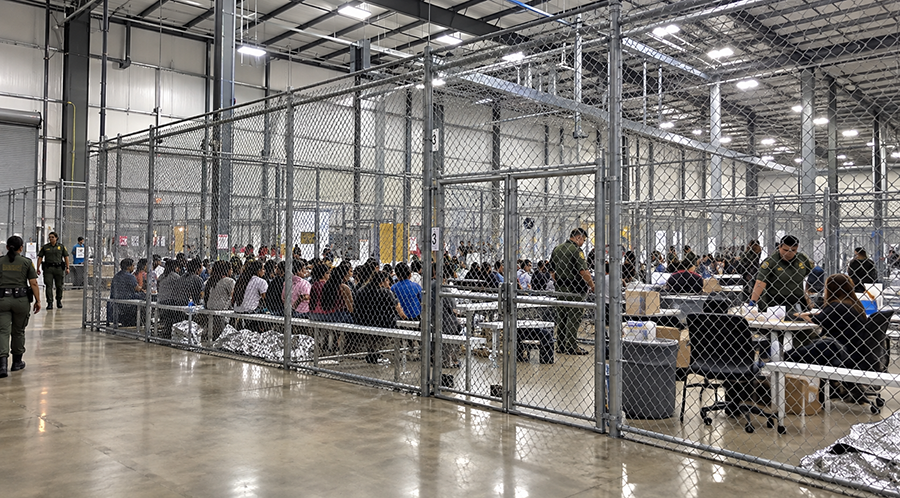
Deaths in U.S. Immigration and Customs Enforcement (ICE) detention have surged during Trump's second term, with causes including homicide by guard restraint, asphyxiation, and untreated infections. A Human Rights Watch report from June 2026 documented 52 deaths in ICE custody over the first 500 days of the second Trump administration—a 140% increase in mortality rate even as the detained population grew only 77%.
The causes span deliberate force, medical neglect, and mental health crisis. Autopsies have ruled some deaths homicides; medical examiners have found others caused by infections that guards failed to treat. This summary covers the documented cases, the gaps in agency accountability, and what families and advocates have done in response.
Table of Contents
- The Scale of the Surge
- Homicide by Restraint—The Lunas Campos Case
- Deaths from Untreated Infection and Medical Neglect
- Mental Health Crisis in Detention
- What DHS Says vs. What the Evidence Shows
- Frequently Asked Questions
The Scale of the Surge
Human Rights Watch found that ice withheld cause-of-death information from Congress and the public during the period studied. The 52 deaths represent a mortality rate of 0.009% of the detained population—higher than most U.S. prisons, according to Department of Homeland Security statements, though the agency's claims about preventive spending have not resolved the spike. The documented rise occurred despite the agency spending nearly half a billion dollars in the prior fiscal year on detention care.
Homicide by Restraint—The Lunas Campos Case
On January 3, 2026, geraldo Lunas Campos, a 55-year-old Cuban national, died at Camp East Montana in El Paso. The El Paso County Medical Examiner's Office ruled his death a homicide caused by asphyxia due to neck and torso compression.
ICE claimed he was attempting suicide and staff intervened to save him. Witness accounts told to the Associated Press presented a different sequence. At least five guards held Lunas Campos down, with one placing an arm around his neck and squeezing until he lost consciousness, while he said "I can't breathe." His family later filed a lawsuit against the guards and the companies operating the facility, alleging inadequate training, supervision, and failure to treat his mental illness, seeking $1 million in damages.
Deaths from Untreated Infection and Medical Neglect
Emmanuel Damas, a 56-year-old Haitian asylum seeker detained at Florence Correctional Center in Arizona, died on March 2, 2026. He died from septic shock after a severe tooth infection went untreated; medical records show he was given only ibuprofen for a week of tooth pain before the infection spread to his throat and lungs.
A CNN investigation found that deadly outcomes in more than a dozen ICE detention cases could be linked to substandard medical treatment by understaffed medical teams, and that medical staffing did not increase in key facilities despite detention populations exceeding planned capacity. Physicians for Human Rights reviewed 39 of the 52 deaths and found a pattern of inadequate medical care, including a case in which a 44-year-old Ukrainian man suffered a fatal stroke after detention staff failed to act on clear emergency warning signs. A California Attorney General report identified "crisis-level health care understaffing" at detention facilities and found that multiple centers frequently failed to conduct required health screenings.
Mental Health Crisis in Detention
Of the 39 death cases reviewed by Physicians for Human Rights, seven were documented as deaths by suicide, pointing to a mental health crisis alongside medical neglect. These cases represent suicides occurring in facilities designed to hold people in custody, where access to mental health treatment and suicide prevention is part of the agency's legal duty to detainees.
What DHS Says vs. What the Evidence Shows
The Department of Homeland Security disputes the death count and causes documented by human rights monitors. DHS stated that the mortality rate in ICE custody is higher than most U.S. prisons, and that the agency spent almost half a billion dollars to ensure proper care. However, the agency's mortality rate figures do not account for the documented 140% increase in the death rate measured by Human Rights Watch, nor do agency statements address specific cases in which autopsies have ruled deaths homicides or traced fatalities to untreated infections.
Frequently Asked Questions
What does it mean when a medical examiner rules a death a homicide?
A homicide classification means the medical examiner determined another person caused the death, without regard to legal intent or blame. It does not automatically result in criminal charges; prosecutors decide whether to charge, and the outcome of any trial is separate from the medical finding.
Can families sue ICE or detention companies?
Yes. Families can file federal civil rights lawsuits under 42 U.S.C. § 1983 against government employees and under state tort law against private contractors and companies. Success depends on proving negligence or deliberate indifference. The Lunas Campos family's lawsuit against guards and facility operators is one example.
What should someone do if a family member is detained?
Request immediate health screening and medical records, document any injuries or health complaints in writing, contact a legal aid organization (many specialize in immigration detention cases), and request that a family member or attorney visit. Detainees can also file complaints with the Office of Inspector General or the DHS Office of Civil Rights.